
The rapid proliferation of Generative AI (GenAI) tools has opened unprecedented avenues for creativity, education, and productivity. However, as adults navigate the vast potential of these powerful tools, an often-overlooked user base – our children, are inadvertently placed at risk. A recent headline-grabbing report highlights how GenAI tools, are now widely accessed by children, exposing them to content and interactions unsuitable for their developmental stages.
This scenario evokes eerie parallels with early experiences of social media usage among children, where the unintended consequences, ranging from exposure to inappropriate content to mental health challenges, only became apparent in retrospect. We find ourselves again at a critical juncture: poised between innovation and responsibility.
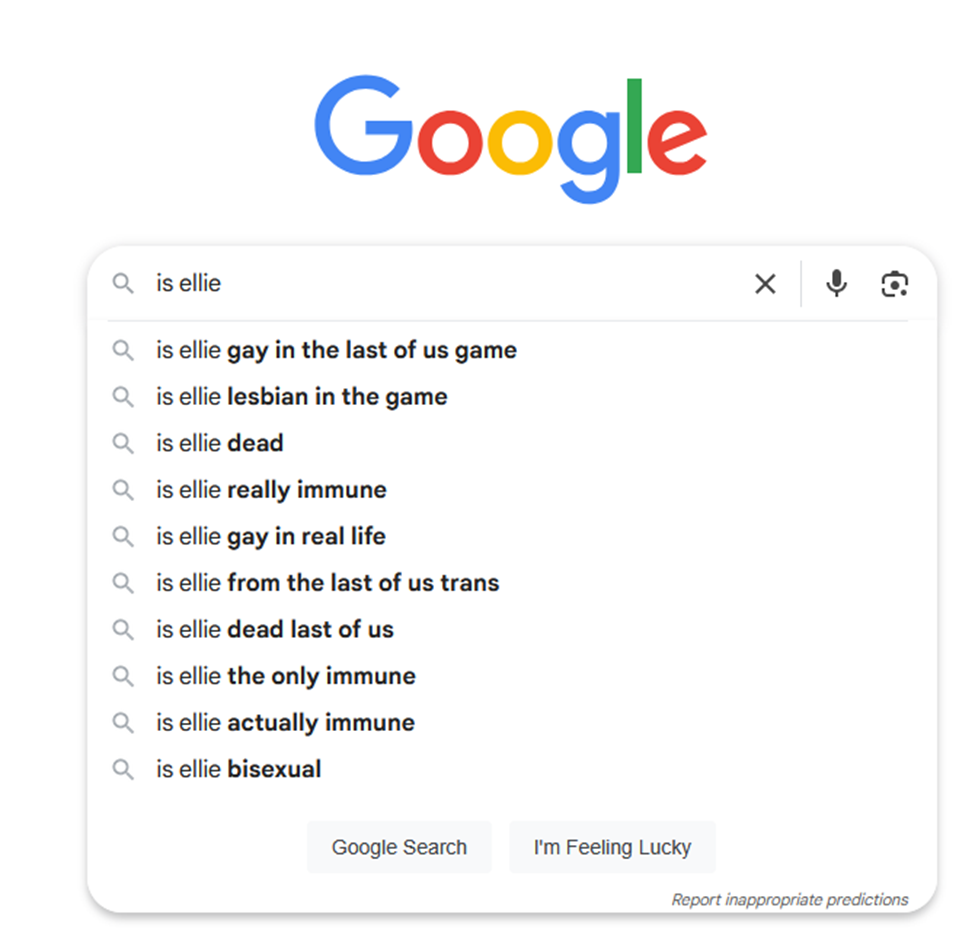
Consider a simple, innocent query by my 8-year-old: “Is Ellie a common name?” posed through Google. With Autocomplete, such seemingly harmless interactions can rapidly devolve into deep dives into content beyond a child’s maturity or comprehension level, exposing them to complex or even harmful information prematurely.
Another example using Claude:

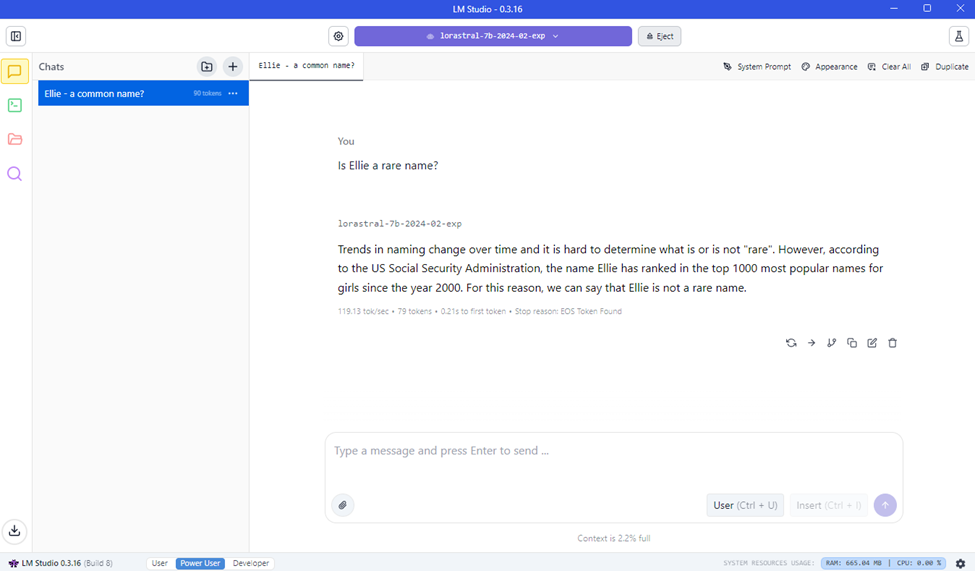
Versus a LLM catered towards children:

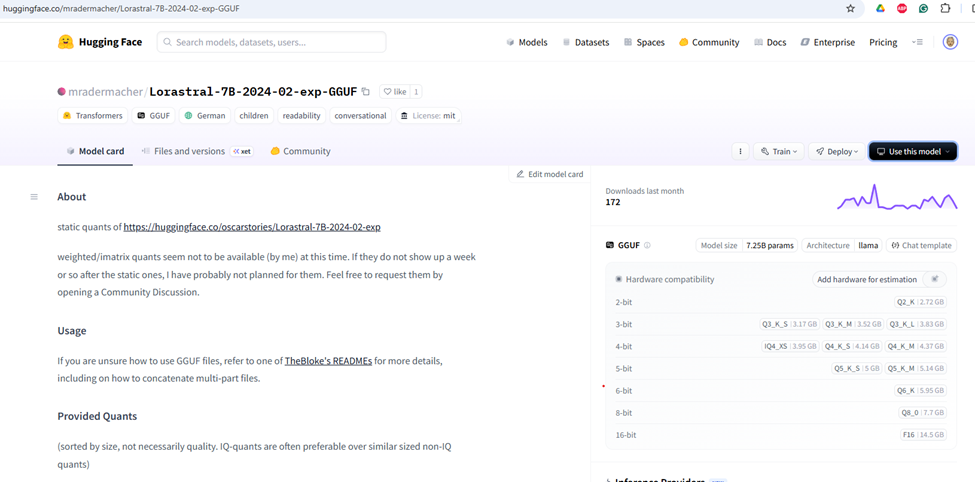
The need for child-friendly AI models is thus glaringly evident. Fortunately, solutions exist- platforms and specialized models designed specifically for children’s safety and developmental appropriateness. Tools like LMStudio, paired with specialized child-friendly AI models such as those available on Hugging Face (e.g., Lorastral-7B-2024-02-exp-GGUF), offer safer alternatives tailored explicitly for younger audiences.
Yet, widespread adoption of such specialized solutions remains limited, primarily due to technical requirements such as powerful hardware configurations (high-end graphics cards and desktops). Accessibility and ease of use must therefore be focal points moving forward to ensure these safer alternatives can become mainstream.
As educators, technologists, and parents, it is our collective responsibility to advocate for and implement frameworks and tools that safeguard our children from unintended harm, ensuring they benefit from GenAI’s immense educational potential without compromising their wellbeing. Now is the time to act thoughtfully and decisively to prevent repeating past mistakes, steering GenAI toward a future that prioritizes child safety and developmental health.
So, here’s how to do it:
- Download LMStudio: https://lmstudio.ai/download
- Navigate to Hugging Face: https://huggingface.co/mradermacher/Lorastral-7B-2024-02-exp-GGUF
- Under “Use this model”, select LMStudio.